OPEN HOURS:
Tuesday - Saturday 11AM - 6PM
Close on Sunday, Monday and Pubilc Holidays
For more information: info@sac.gallery

(English is below)
เรื่องราวของป่าหิมพานต์ปรากฏอยู่ในวรรณคดีไทยมาตั้งแต่สมัยสุโขทัย และดำรงอยู่ในฐานะตำนานความเชื่อที่แทรกซึมอยู่ในสังคมพุทธไทยมาโดยตลอด ไม่ว่าจะในรูปแบบจิตรกรรม ประติมากรรม หรือวรรณกรรมนานาชนิด
แม้เรื่องราวเหล่านี้จะถูกถ่ายทอดผ่านศิลปะแขนงต่างๆ อย่างต่อเนื่อง ทว่าป่าหิมพานต์ในความหมายที่แท้จริงกลับยังคงลึกลับและไร้ผู้หยั่งถึง แม้กระทั่งสิงสาราสัตว์ในนั้นก็ล้วนมีความพิเศษและรูปลักษณ์แปลกตา ไม่ว่าจะเป็น นาค ครุฑ กินรี คชสีห์ มัจฉา เงือก หรือปลาควาย ฯลฯ
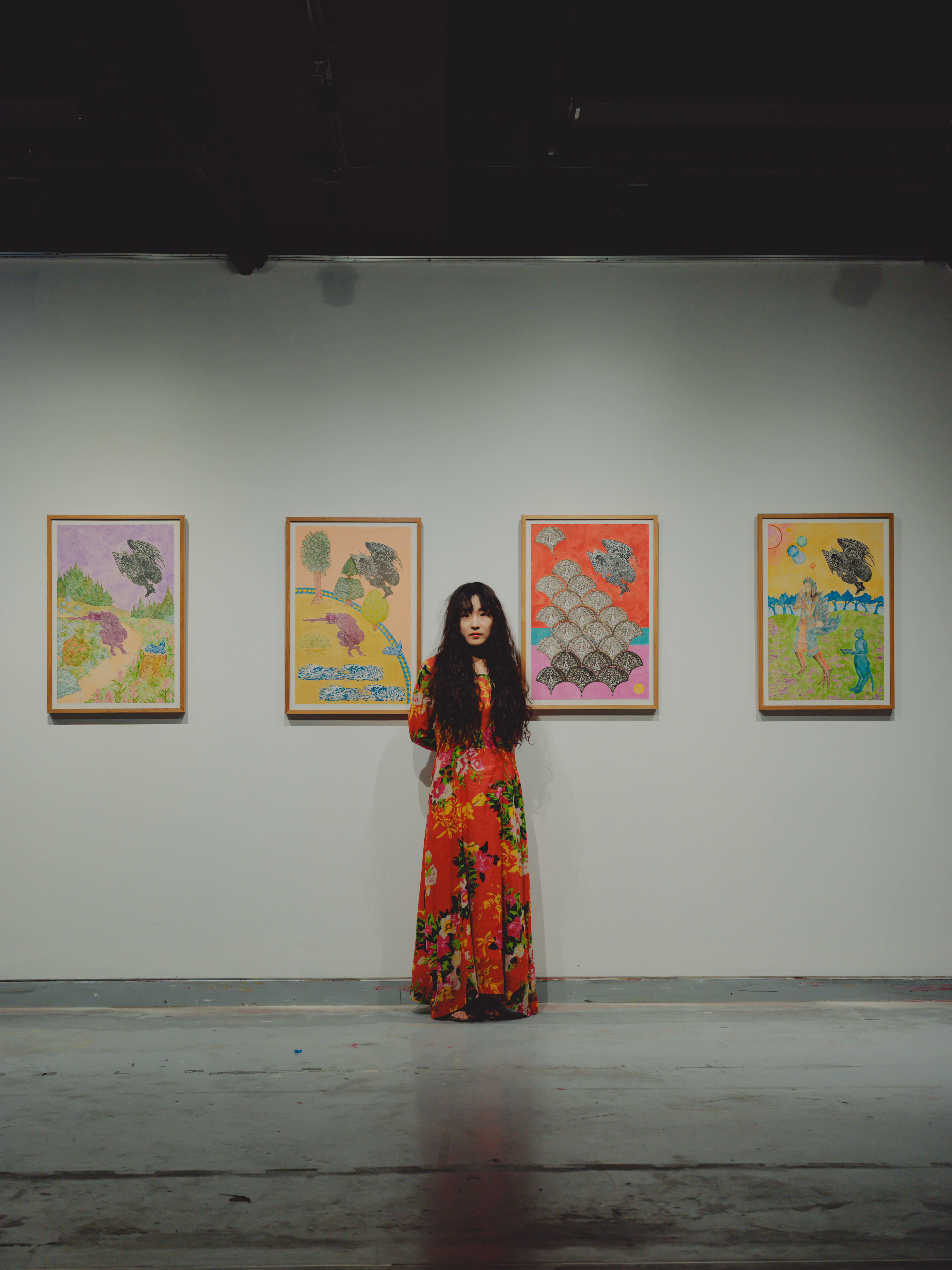
หลายคนอาจมองว่าป่าหิมพานต์เป็นเพียงตำนาน เป็นเรื่องเล่าที่ไม่มีอยู่จริง ขณะที่บางคนเชื่อว่าเป็นเขตแดนศักดิ์สิทธิ์ที่ไม่อาจล่วงล้ำหรือมองเห็นได้ หรืออาจเป็นพื้นที่ทางจิตวิญญาณที่ดำรงอยู่พ้นสายตามนุษย์
แต่สำหรับ คิม โดยอน (Kim Doyeon) ศิลปินผู้พำนักและทำงานอยู่ที่โซล ประเทศเกาหลีใต้ เจ้าของนิทรรศการ “In the Forest of Himmapan” กลับมองต่างออกไป
“สำหรับฉัน ป่าหิมพานต์ไม่เคยรู้สึกเหมือนตำนานที่ตายไปแล้วหรือเรื่องเก่าเก็บ แต่มันคือพื้นที่ของการนิยามผ่าน “การเปลี่ยนผ่าน” (Transition) ระหว่างมนุษย์กับอมนุษย์ ความเชื่อกับความสงสัย การยึดติดกับการปล่อยวาง
“สภาวะเหล่านี้ไม่ใช่เรื่องของอดีต แต่มันกำลังเกิดขึ้นอยู่ตลอดเวลา ชีวิตร่วมสมัยเองก็ไม่เสถียรและมีหลายเลเยอร์ไม่ต่างกัน ตัวตนของเราขยับเปลี่ยนอยู่เสมอ เราเคลื่อนผ่านบทบาท สถานที่ และสภาวะของการดำรงอยู่ ในแง่นี้ป่าหิมพานต์จึงเป็นเหมือนโครงสร้างให้เราคิดถึงปัจจุบัน มากกว่าจะเป็นเพียงตำนานที่อยู่ไกลตัว”
ศิลปินเกาหลีใต้เล่าย้อนถึงจุดเริ่มต้นความชื่นชอบต่อป่าหิมพานต์ต่อว่า ความสนใจในป่าลึกลับแห่งนี้เกิดขึ้นระหว่างที่เธอมาเป็นศิลปินพำนักในจังหวัดเชียงใหม่เป็นเวลา 3 เดือน เดิมทีโดยอนสนใจตำนานของเอเชียตะวันออกอยู่แล้ว ไม่ว่าจะเป็นเกาหลี จีน หรือญี่ปุ่น แต่การได้ใช้ชีวิตในประเทศไทยกลับเปิดโลกใหม่ให้เธอ ได้พบกับเรื่องเล่า จิตวิญญาณ และตำนานของเอเชียตะวันออกเฉียงใต้ ที่ยังผูกพันแน่นแฟ้นกับวิถีชีวิตของผู้คน
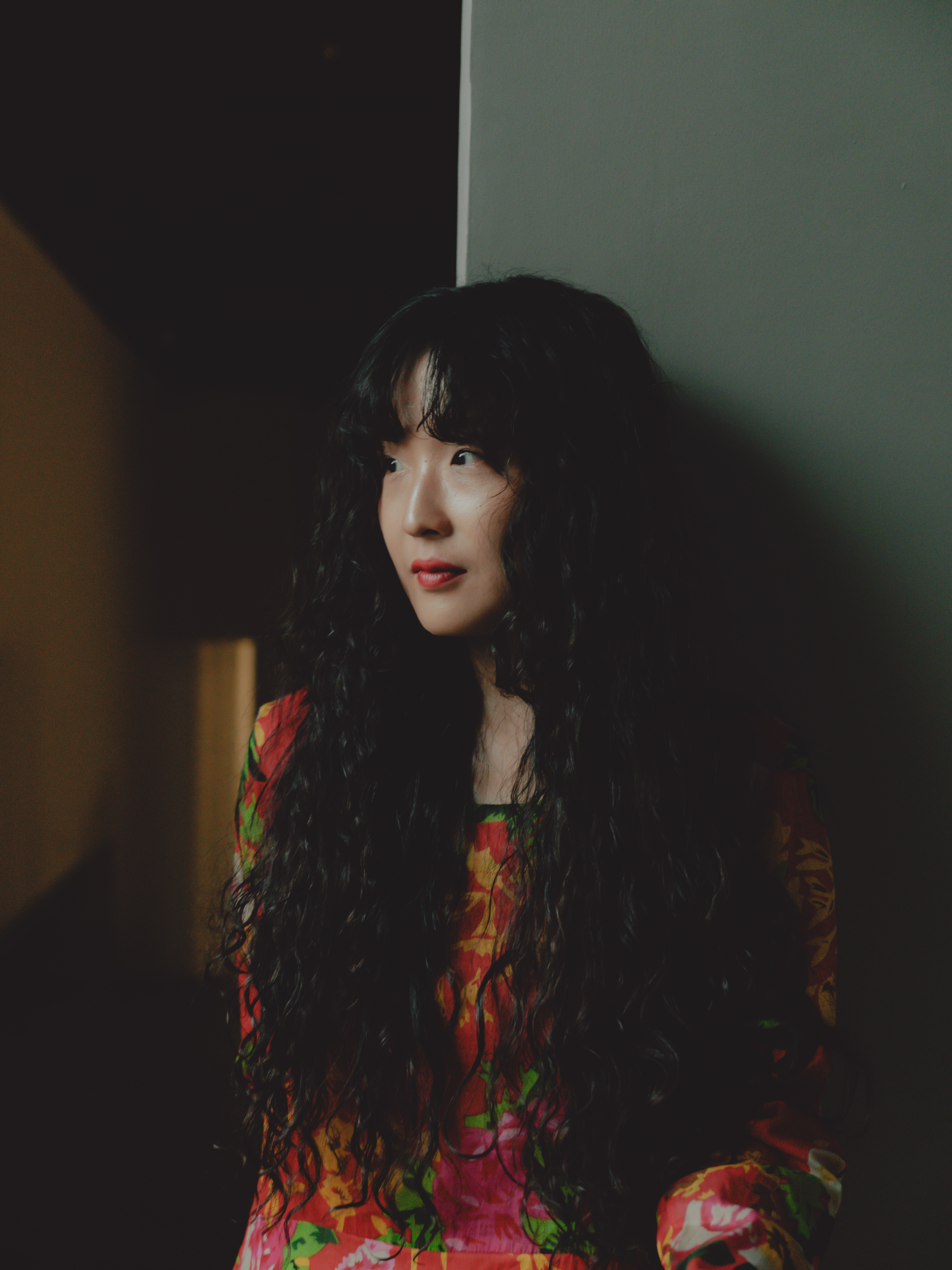
“ตอนที่ฉันไปเยี่ยมชมวัด ถ้ำ และชุมชนท้องถิ่น ฉันได้พบกับสิ่งมีชีวิตพิเศษที่งดงาม ทั้งครึ่งคนครึ่งสัตว์ หรือสัตว์ที่แปรเปลี่ยนเป็นรูปลักษณ์สง่างาม หลายคนบอกว่าสิ่งมีชีวิตเหล่านี้อาศัยอยู่ในป่าหิมพานต์ ซึ่งเป็นสถานที่ในตำนานที่อยู่ระหว่างโลกมนุษย์กับเขาพระสุเมรุบนสวรรค์ ซึ่งเป็นที่ตั้งของสวรรค์ชั้นดาวดึงส์
“ป่าหิมพานต์ไม่ใช่สถานที่ที่คุณจะมองเห็นหรือเข้าไปได้ด้วยร่างกาย แต่มันเป็นพื้นที่ทางจิตวิญญาณที่ดำรงอยู่เหนือโลก
“ฉันมองว่าการผสมผสานของสัตว์พิเศษเหล่านี้ไม่ต่างจากความเป็นมนุษย์ และในบางแง่ พวกเขาอาจเป็นมนุษย์มากกว่าพวกเราด้วยซ้ำ เพราะพวกเขาแสดงตัวตนหลายด้านออกมาพร้อมกันอย่างเปิดเผย โดยไม่พยายามซ่อนเร้น”
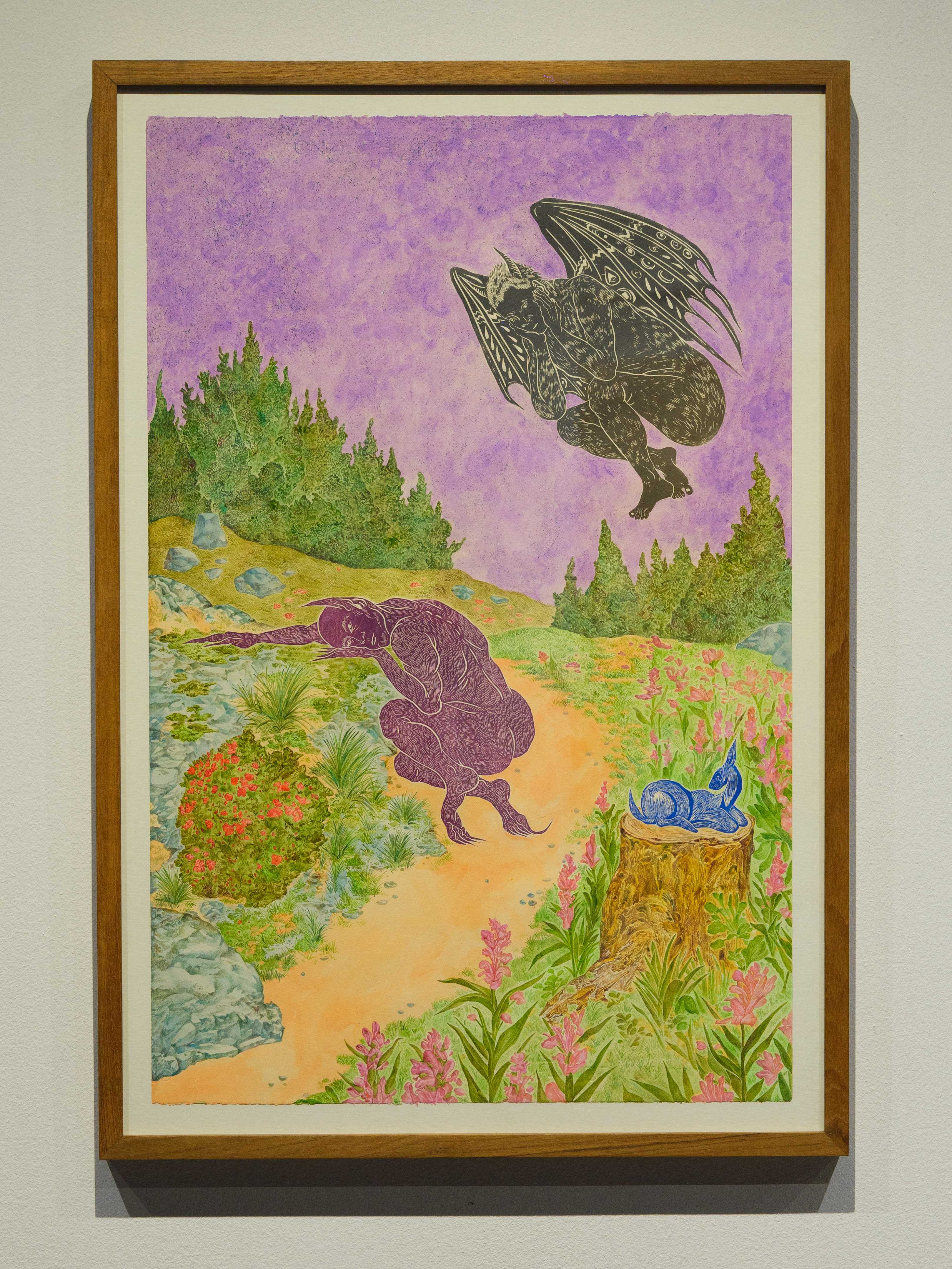
โดยอนอธิบายต่อว่า การมาเป็นศิลปินพำนักในประเทศไทยทำให้เธอได้พบผู้คนจำนวนมากที่เชื่ออย่างแท้จริงว่า สิ่งมีชีวิตและจิตวิญญาณในตำนานยังคงดำรงอยู่ร่วมกับมนุษย์ ผู้คนแสดงความขอบคุณต่อสิ่งที่มองไม่เห็นผ่านกิจวัตรประจำวัน และนั่นเองที่ทำให้ป่าหิมพานต์ไม่เคยเลือนหาย แต่ยังคงมีชีวิตอยู่ผ่านเรื่องเล่า พิธีกรรม และจินตนาการ
“แทนที่จะวาดภาพประกอบของตำนานเรื่องใดเรื่องหนึ่ง ฉันอยากก้าวเข้าไปในโลกนั้นและพำนักอยู่ข้างใน ป่าหิมพานต์จึงกลายเป็นธีมหลักของนิทรรศการครั้งนี้ เพราะมันสะท้อนวิธีที่ฉันสัมผัสชีวิตและศิลปะ
“นั่นคือการมีหลายเลเยอร์ การเปลี่ยนแปลงอยู่ตลอดเวลา ป่าหิมพานต์จึงไม่ใช่จุดหมายปลายทางสุดท้าย แต่เป็นสภาวะของสถานที่ที่สิ่งมีชีวิตกำลังมีความหมาย เป็นพื้นที่ที่กาลเวลาต่างๆ มาบรรจบกันอย่างเงียบงัน
“ในป่าหิมพานต์ สิ่งมีชีวิตสามารถวางชื่อของตัวเองลงได้ชั่วคราว พวกเขาไม่จำเป็นต้องตัดสินว่าตัวเองคือใคร หรือมีความหมายอย่างไร พวกเขายังคงเคลื่อนไหว เหมือนบางสิ่งที่ยังเติบโต หรือกำลังเรียนรู้ว่าจะมีชีวิตอยู่อย่างไร
“ฉันรู้สึกว่าสิ่งนี้ใกล้เคียงกับชีวิตของฉันเอง ฉันไม่เคยสัมผัสชีวิตในฐานะสิ่งที่มั่นคงหรือสมบูรณ์ และฉันก็ไม่อยากให้งานของฉันไปถึงคำตอบสุดท้าย สิ่งสำคัญคือการเคลื่อนไหวต่อไป การคิด และการตั้งคำถามว่าเราจะอยู่ จะตาย และจะดำรงอยู่ร่วมกับผู้อื่นได้อย่างไร
“นั่นคือเหตุผลที่ป่าหิมพานต์ให้ความรู้สึกเหมือน “ทางผ่าน” มากกว่าจุดหมาย มันช่วยให้ฉันได้เรียนรู้ มันไม่ใช่เรื่องราวที่ถูกกำหนดตายตัว แต่เป็นทัศนคติ เป็นวิธีการเปิดรับ ความอยากรู้อยากเห็น และความไม่เสร็จสิ้น”
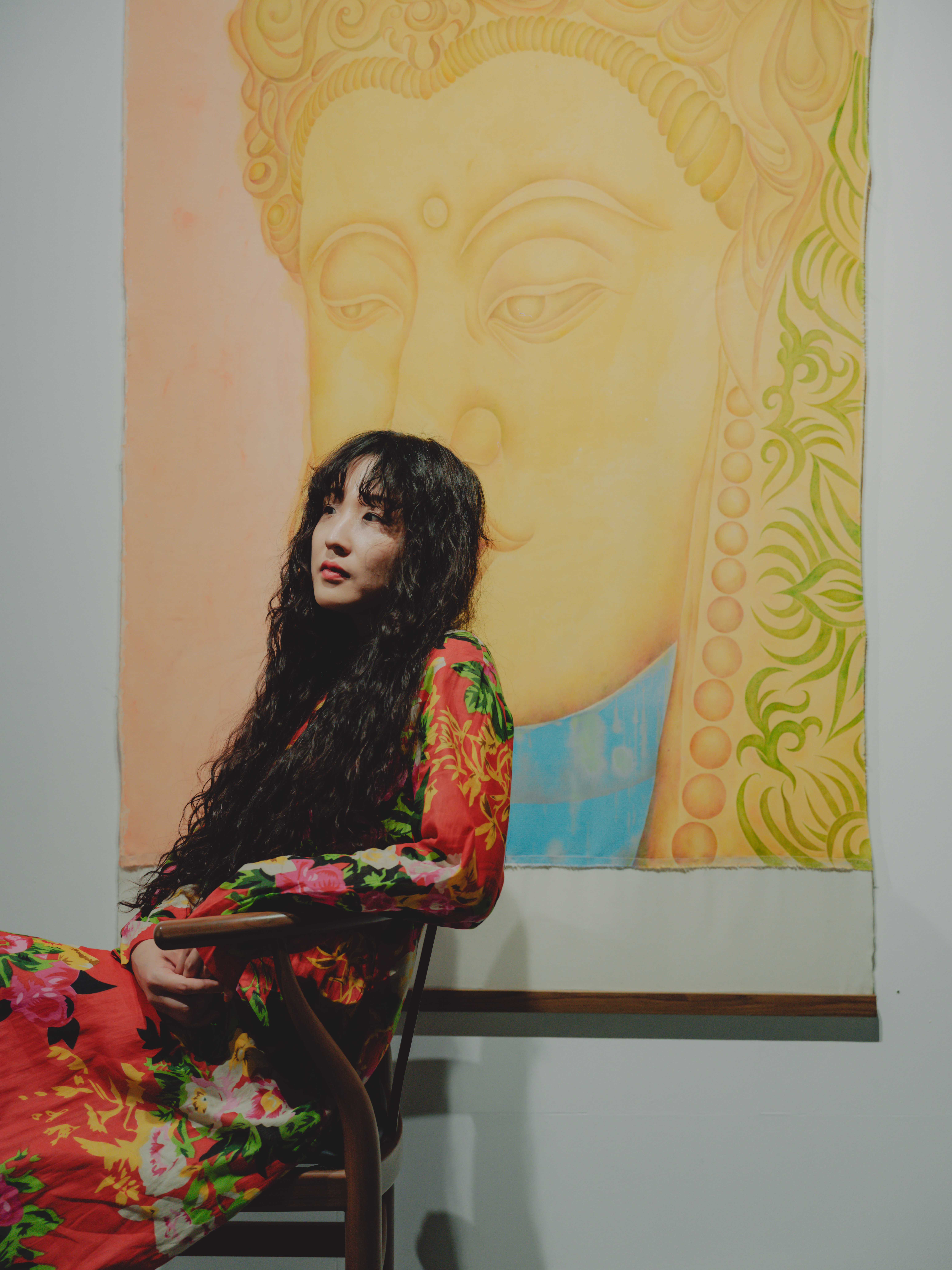
โดยอนมองว่า การกลายร่างของสัตว์วิเศษในตำนานนั้นใกล้เคียงกับชีวิตมนุษย์ในปัจจุบัน ที่ทุกคนต่างเปลี่ยนแปลงอยู่เสมอ ทั้งบทบาท ความเชื่อ และวิธีที่เรามองผู้อื่น รวมถึงวิธีที่ผู้อื่นมองเรา มนุษย์เองก็ไม่ได้มีรูปทรงเดียว หรืออัตลักษณ์เดียวตลอดไป เช่นเดียวกับป่าหิมพานต์
“การเปลี่ยนแปลงไม่ได้รุนแรงเสมอไป บางครั้งมันเงียบเชียบ เชื่องช้า และค่อยๆ ถูกหล่อหลอมโดยกาลเวลา สถานที่ และผู้คนที่เราพบ ตำนานทำให้ฉันเห็นว่าการเปลี่ยนแปลงไม่ใช่สิ่งที่ต้องกลัว แต่มันเป็นธรรมชาติ
“ในแง่นี้ การกลายร่างจึงเป็นเหมือนกระจกเงาที่อ่อนโยน สะท้อนให้เห็นว่าอัตลักษณ์ของมนุษย์ค่อยๆ เปลี่ยนแปลงอย่างไรในชีวิตประจำวัน”
แม้ระหว่างการพำนักในเชียงใหม่ เธอจะเผชิญกับความแตกต่างทั้งด้านวัฒนธรรม ความเชื่อ และภาษา แต่สิ่งเหล่านั้นกลับไม่ใช่อุปสรรค หากยิ่งกระตุ้นความอยากรู้อยากเห็นของเธอมากขึ้น โดยอนเชื่อว่าภาษาเป็นสิ่งที่ต้อง “สัมผัส” ไม่ใช่แค่อ่าน
“ภาษาเตือนเราว่า ทัศนคติสำคัญกว่าความตั้งใจ เวลาเราพูดคุยกันต่อหน้า เราไม่ได้แลกเปลี่ยนแค่คำพูด แต่ยังรวมถึงน้ำเสียง จังหวะ สีหน้า และความรู้สึกที่ไม่อาจเขียนออกมาได้ บางครั้งสิ่งสำคัญที่สุดของภาษาคือ สิ่งที่ไม่สามารถแปลเป็นข้อความได้
“ฉันคิดว่างานศิลปะก็ทำงานแบบเดียวกัน แทนที่จะส่งสารที่ชัดเจน ฉันอยากให้งานของฉันสร้างช่วงเวลาที่ถูกสัมผัสได้ก่อน เหมือนเวลาที่มีใครบอกว่า มันอธิบายยาก คุณต้องมาเห็นด้วยตัวเอง นั่นคือภาษาที่ฉันอยากให้งานของฉันพูด”
แม้เธอจะอ่านอักษรล้านนาไม่ออก แต่ลวดลายและรูปทรงกลับส่งอิทธิพลต่อเธออย่างลึกซึ้ง โดยเฉพาะงานผ้าทอและงานปัก จังหวะของฝีเข็ม ลวดลาย และการผสมสี ทั้งหมดทิ้งร่องรอยไว้ในความรู้สึกของเธออย่างชัดเจน และทำให้เธอเริ่มใช้สีที่แตกต่างจากงานก่อนหน้า กล้าลองคู่สีใหม่ๆ ในงานชุดนี้
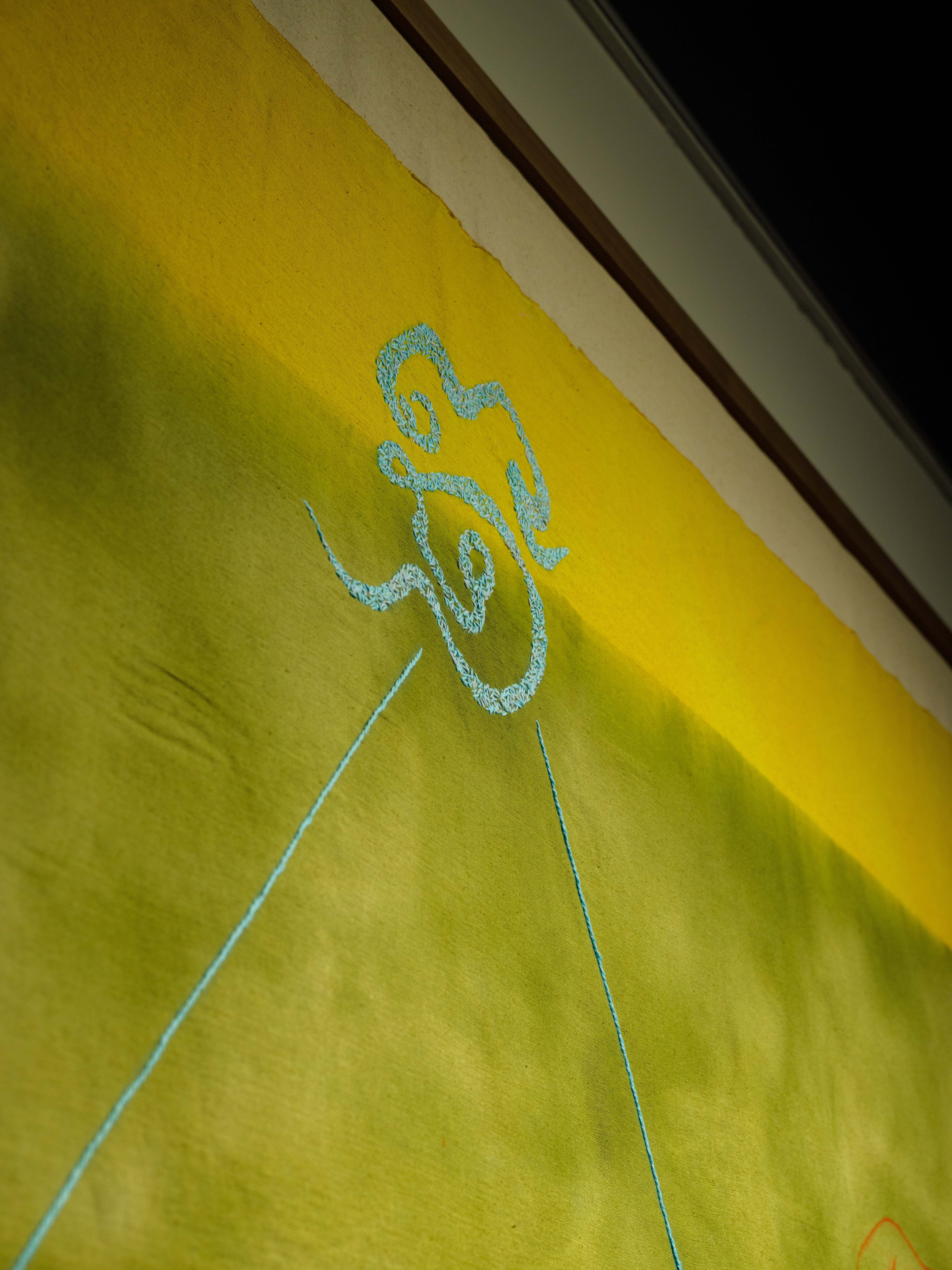
“การอ่านไม่ออกกลายเป็นของขวัญ มันทำให้ฉันฟังด้วยดวงตาและหัวใจมากขึ้น ฉันหวังว่าผู้ชม หลังจากใช้เวลาในป่าหิมพานต์แล้ว จะรู้สึกราวกับได้ก้าวเข้าสู่โลกที่เต็มไปด้วยสีสัน ลวดลาย และสิ่งมีชีวิตที่ไม่คุ้นเคย ที่ซึ่งรูปทรง วัฒนธรรม และจังหวะที่แตกต่างกันเคลื่อนไหวร่วมกันอย่างอิสระ
“ป่าแห่งนี้เติบโตขึ้นจากเวลาที่ฉันใช้ในประเทศไทย จากสิ่งที่ได้เห็น ได้สัมผัส และได้ใช้ชีวิต ประสบการณ์เหล่านั้นไหลเข้าสู่งานโดยตรง
“ถ้าโลกใบนี้ (In the Forest of Himmapan) ยังคงสดใสพอจะติดตรึงอยู่ และค่อยๆ ปลุกความอยากรู้อยากเห็นว่าการพบเจอเช่นนี้จะเปลี่ยนแปลงไปอย่างไรในที่อื่น ความสงสัยที่เงียบงันนั้นก็เพียงพอแล้ว
“ฉันรู้สึกขอบคุณทุกคนที่ก้าวเข้ามาในป่าแห่งนี้ และยอมใช้เวลาสักครู่เพื่อเดินลึกเข้าไปข้างในป่าแห่งนั้น” โดยอนทิ้งท้าย
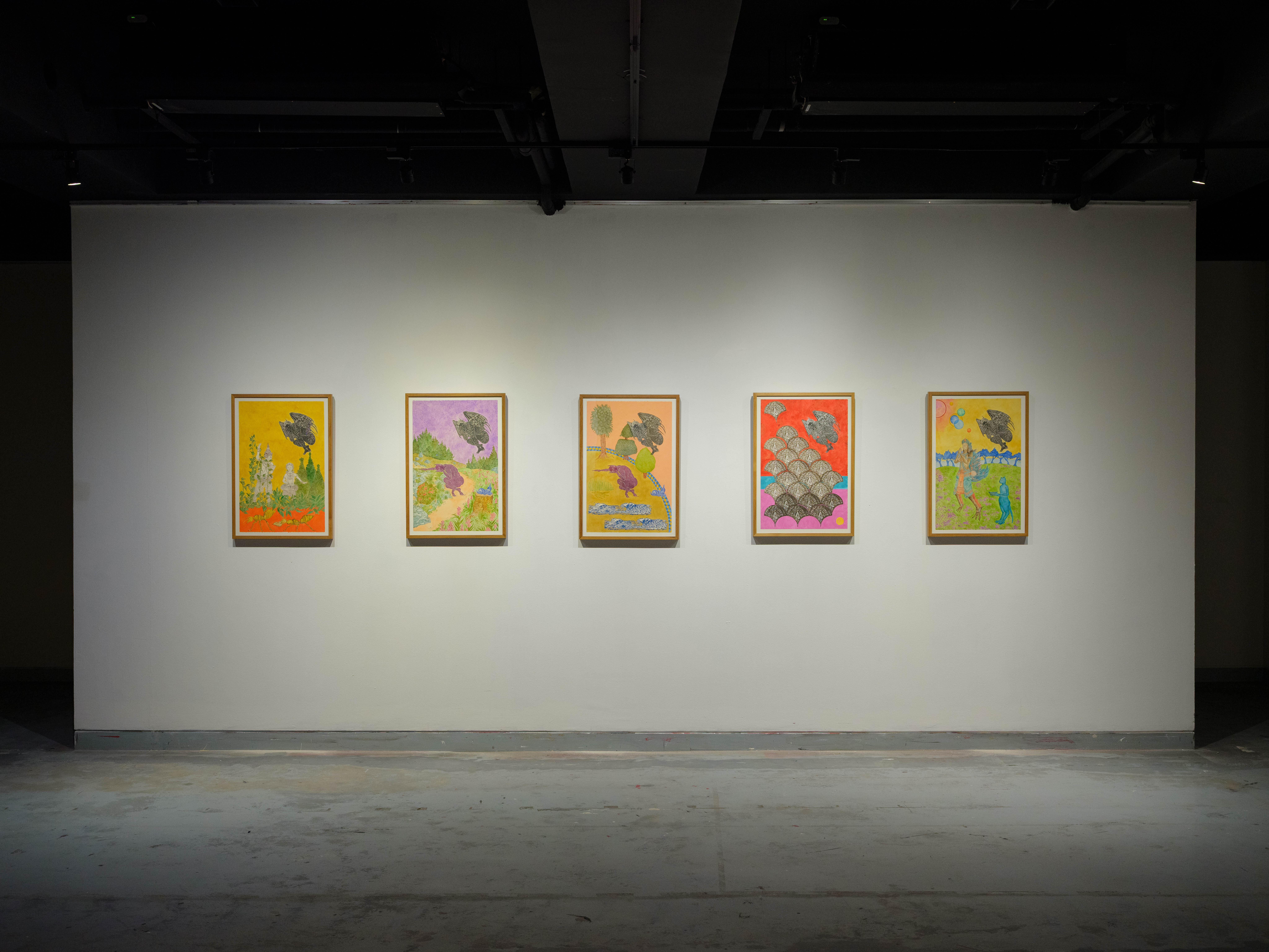
The story of the Himmapan Forest has appeared in Thai literature since the Sukhothai period and continues to exist as part of the belief system within Thai Buddhist culture. It is present across many forms, including painting, sculpture, and a wide range of literary traditions.
Yet despite its continued presence in artistic and literary expression, the Himmapan Forest in its truest sense remains elusive. Even the creatures said to inhabit it are marked by unusual qualities and unfamiliar forms: the naga, garuda, kinnari, kochasri, various mythical fish, mermaids, among others.
Some regard the Himmapan Forest as nothing more than myth, a story without physical reality. Others understand it as a sacred realm, one that cannot be entered or seen. It may also be considered a spiritual domain that exists beyond human perception.
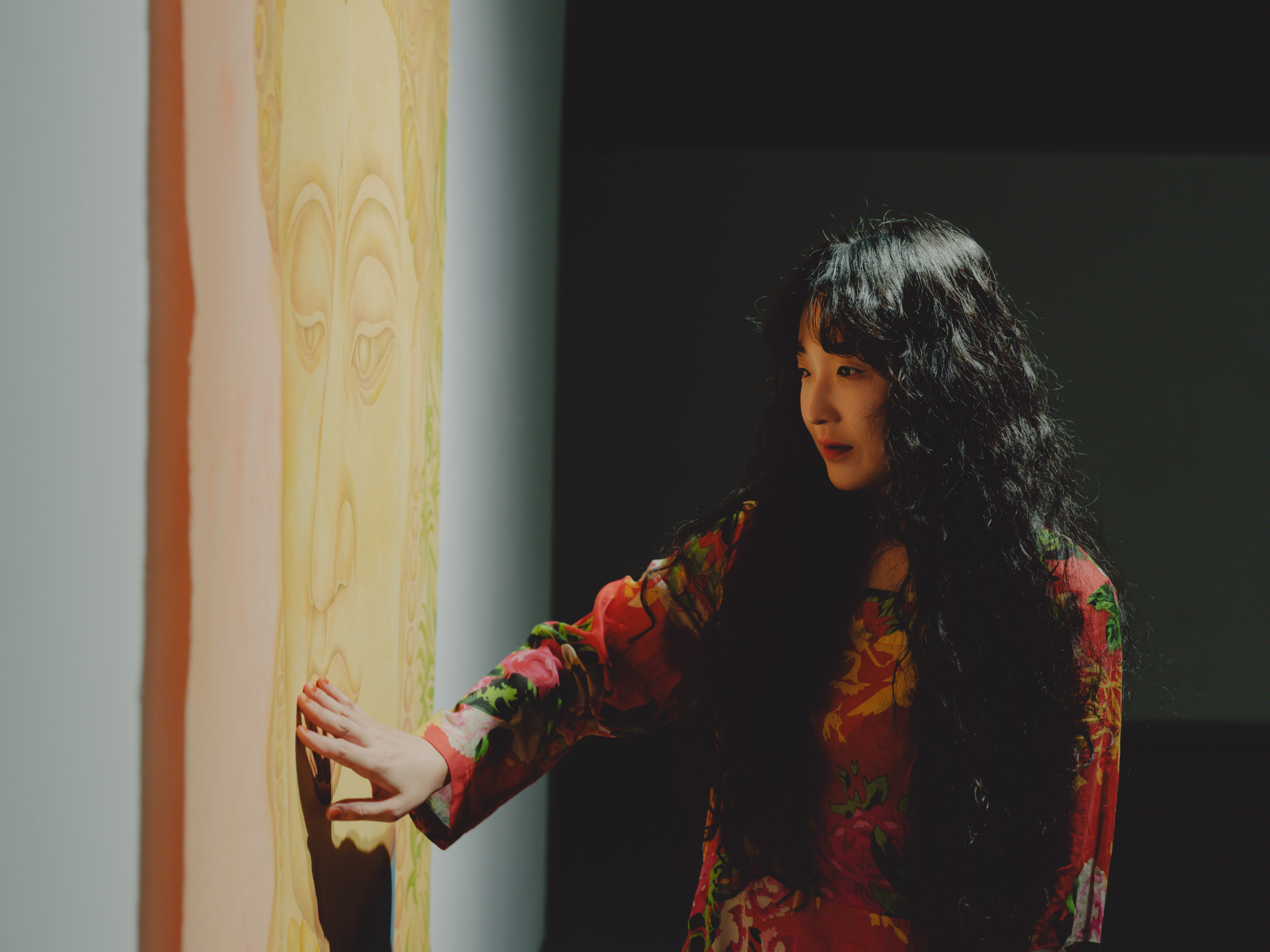
For Kim Doyeon, the Seoul-based artist behind In the Forest of Himmapan, the meaning is quite different.
“For me, the Himmapan Forest has never felt like an old or distant story. It is a space shaped by transition—between human and non-human, belief and doubt, attachment and release.
“These conditions are not of the past. They continue to take place all the time. Contemporary life is unstable and layered in similar ways. Our identities are constantly shifting. We move through roles, places, and states of being. In this sense, the Himmapan Forest offers a way to think about the present, rather than standing apart as a distant myth.”
Her interest in this mysterious forest began during a three-month artist residency in Chiang Mai. While she had long been drawn to the mythologies of East Asia—from Korea, China, and Japan—her time in Thailand introduced her to a different set of narratives, spiritual practices, and beliefs that remain closely tied to everyday life.
“When I visited temples, caves, and local communities, I encountered beings that were both human and animal, or animals transformed into graceful and unfamiliar forms. People told me these beings live in the Himmapan Forest, a mythical place said to lie between the human world and Mount Meru, where the heavenly realm is believed to exist.
“The Himmapan Forest is not somewhere you can enter physically. It exists as a spiritual dimension beyond this world.
“I see these hybrid beings as not so different from us. In some ways, they may even be more human than we are, because they express multiple aspects of themselves at once, without trying to conceal them.”
During her time in Thailand, she met people who genuinely believe that mythical beings and spirits continue to exist alongside human life. Acts of respect towards what cannot be seen are part of daily routine. In this way, the Himmapan Forest does not disappear; it remains present through stories, rituals, and imagination.
“Rather than illustrating a specific myth, I wanted to step into that world and remain within it. That is why the Himmapan Forest became the central theme of this exhibition—it reflects how I approach both life and art.
“It is about multiplicity, about constant change. The forest is not a final destination, but a condition—a place where meaning is still forming, where different senses of time meet quietly.
“In this forest, beings can set aside their names for a while. They do not need to define themselves. They continue to move, like something still growing, still learning how to exist.
“This feels close to my own life. I have never experienced life as something fixed or complete, and I do not want my work to arrive at a final answer. What matters is to keep moving, to keep thinking, and to keep asking how we live, how we die, and how we exist alongside others.
“That is why the Himmapan Forest feels more like a passage than a destination. It allows me to learn. It is not a fixed story, but an attitude—a way of remaining open, curious, and unfinished.”
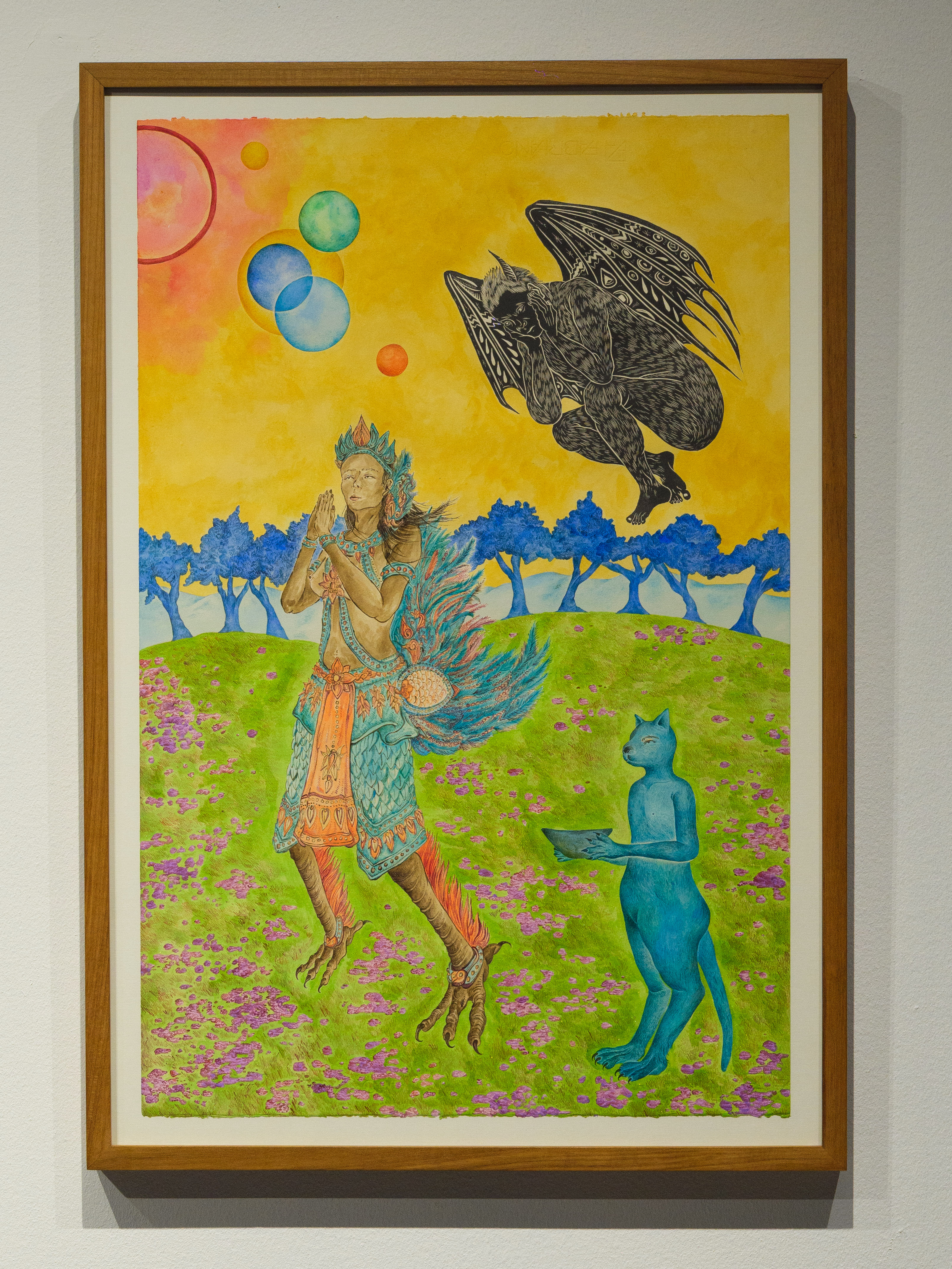
Kim sees the transformations of mythical creatures as closely related to contemporary human life, in which people are constantly changing—in their roles, beliefs, the ways they see others, and the ways others see them. Human beings do not remain in a single form or identity forever, just as in the Himmapan Forest.
“Change is not always dramatic. Sometimes it is quiet and gradual, shaped over time by place and by the people we encounter. Myth has shown me that change is not something to fear—it is part of nature.
“In this way, transformation becomes a gentle mirror, reflecting how identity shifts slowly in everyday life.”
Although she encountered differences in culture, belief, and language during her time in Chiang Mai, these did not become obstacles. Instead, they deepened her curiosity. She came to feel that language is something to be experienced, not simply read.
“Language reminds us that attitude matters more than intention. When we speak face to face, we are not only exchanging words, but also tone, rhythm, expression, and feelings that cannot be written down. Sometimes the most important part of language is what cannot be translated.
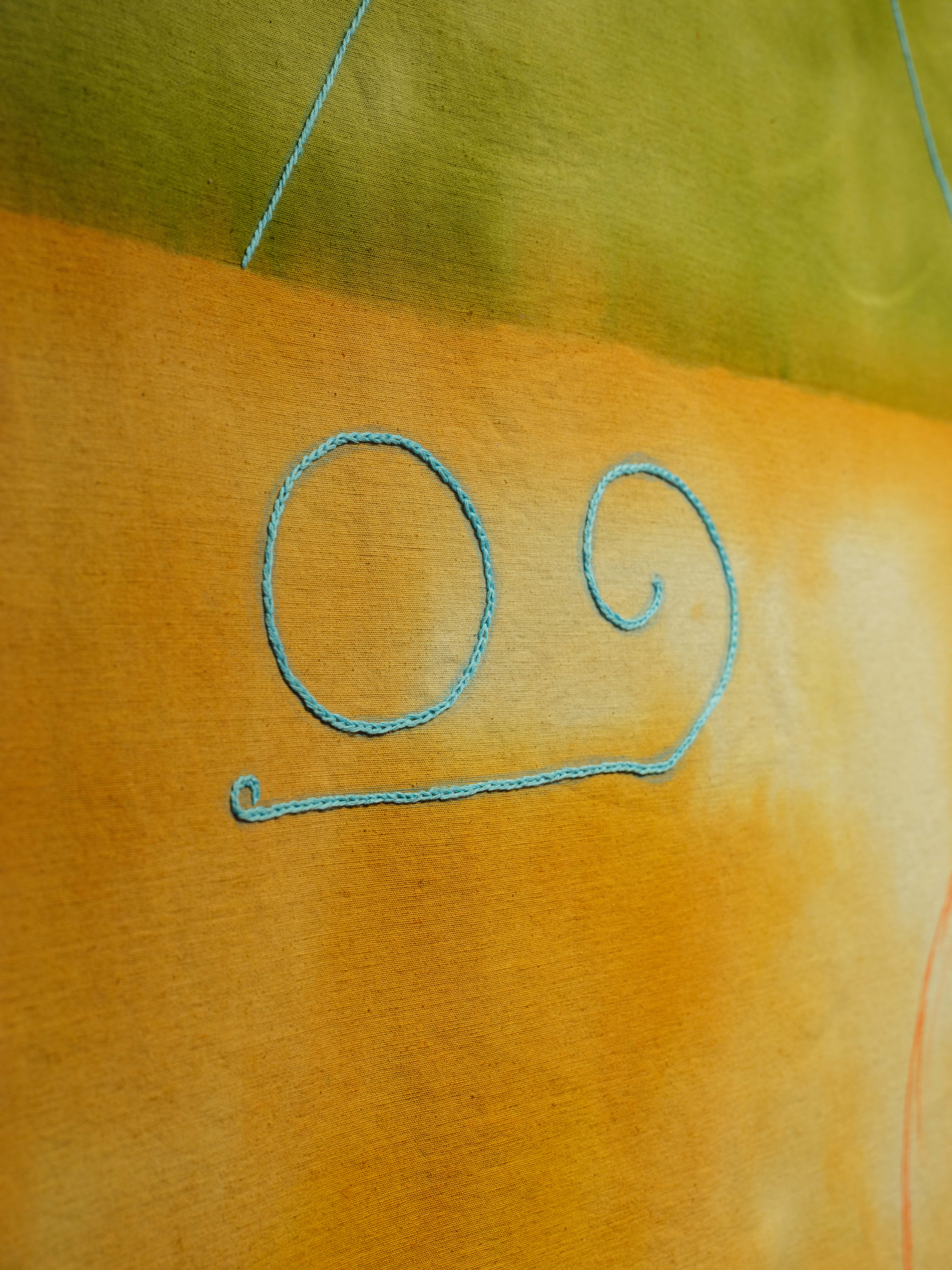
“I think art works in the same way. Rather than delivering a clear message, I want my work to create a moment that is felt first—like when someone says it is difficult to explain, you have to experience it yourself. That is the kind of language I want my work to speak.”
Although she cannot read Lanna script, its visual forms have influenced her deeply. In particular, woven textiles and embroidery left a strong impression—the rhythm of stitching, the patterns, and the combinations of colour. These experiences led her to experiment with a different palette in this body of work, exploring new relationships between colours.
“Not being able to read became a gift. It made me listen more with my eyes and with my senses. I hope that after spending time in the Himmapan Forest, viewers will feel as though they have stepped into a world filled with colour, pattern, and unfamiliar beings—where different forms, cultures, and rhythms move together freely.
“This forest has grown out of the time I spent in Thailand, from what I saw, what I felt, and how I lived. Those experiences flow directly into the work.
“If this world—In the Forest of Himmapan—remains vivid enough to stay with you, and quietly awakens a curiosity about how such encounters might change elsewhere, then that quiet sense of wondering is already enough.
“I am grateful to everyone who steps into this forest, and who is willing to spend a moment walking further within it.”
* denotes required fields
We will process the personal data you have supplied in accordance with our privacy policy (available on request). You can unsubscribe or change your preferences at any time by clicking the link in our emails.